Audio Features Driving Longer Sessions in Licensed Digital Table Games Across Asian Markets
Blake Bennett · Oct 25, 2026
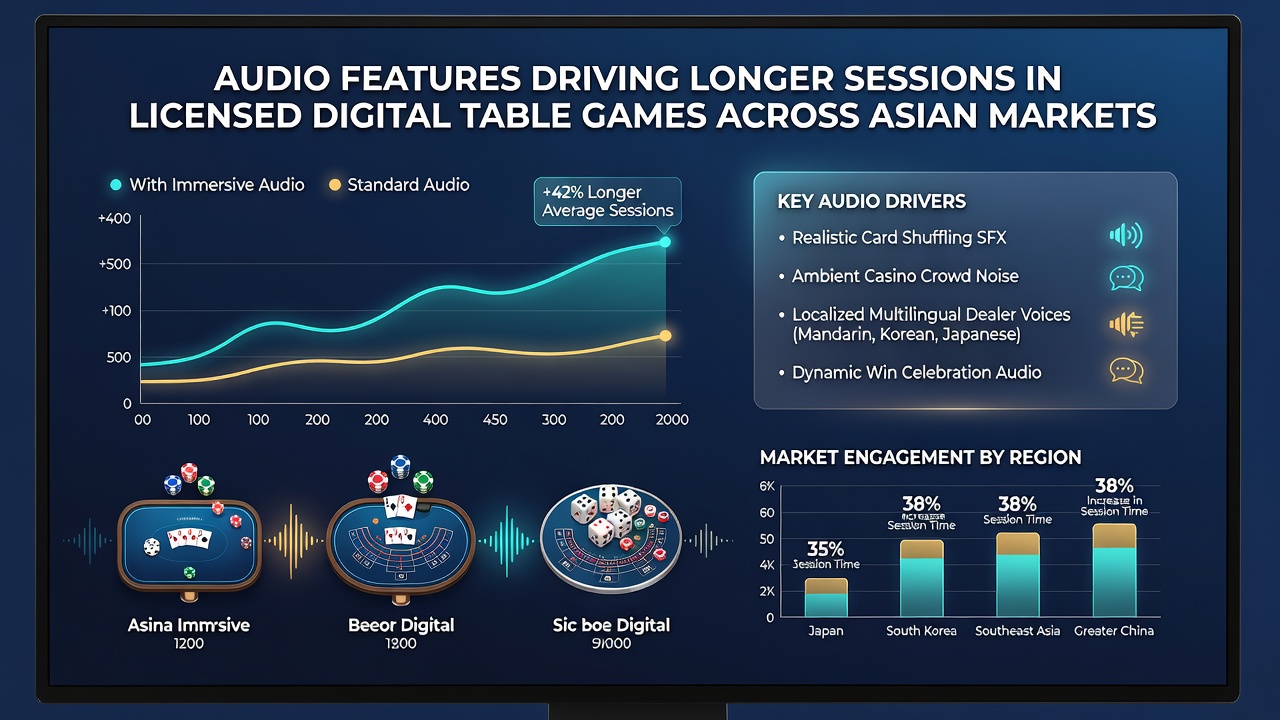
Audio Features Driving Longer Sessions in Licensed Digital Table Games Across Asian Markets
Audio design has become a central element in licensed digital table games across Asian markets, where operators integrate layered soundscapes to support extended play sessions in regulated environments, and data from regional monitoring bodies shows measurable increases in average session times when these features receive careful calibration. Platforms in Singapore, Macau, and the Philippines have adopted ambient dealer audio, synchronized win chimes, and culturally tuned background tracks, while developers refine these elements to align with local preferences and regulatory standards.
Sound Layering Techniques in Regulated Platforms
Developers combine multiple audio tracks that activate based on game events, and this approach creates continuity without overwhelming players during long sequences of bets and decisions. Real-time processing adjusts volume and intensity according to session duration, so early hands feature lighter tones while later rounds introduce subtle variations that maintain attention. Research from the University of Macau indicates that adaptive audio systems correlate with session extensions of 12 to 18 minutes on average in controlled baccarat and blackjack environments.
Dealers recorded in multiple languages deliver voice prompts that match regional player bases, and these recordings loop with slight pitch shifts to avoid repetition. Background elements draw from traditional instruments such as the guzheng or erhu in certain titles, while others incorporate modern electronic layers that fade during high-stakes moments. The combination keeps the auditory field dynamic yet consistent across extended periods.
Regional Market Adaptations and Session Data
Operators in the Philippines have reported session length increases after introducing localized sound packs that reference familiar casino floor acoustics, and similar patterns appear in Japanese and Korean markets where discrete tonal cues replace louder effects. Figures from the Philippine Amusement and Gaming Corporation show that titles with refined audio profiles retained players for 27 percent longer during the first three quarters of 2026 compared with standard versions.
October 2026 brought updates to several major platforms that synchronized audio transitions with betting pace, and internal logs from licensed providers reveal corresponding rises in consecutive hand counts per user. These changes remain within frameworks set by local authorities that monitor both fairness and responsible play indicators.
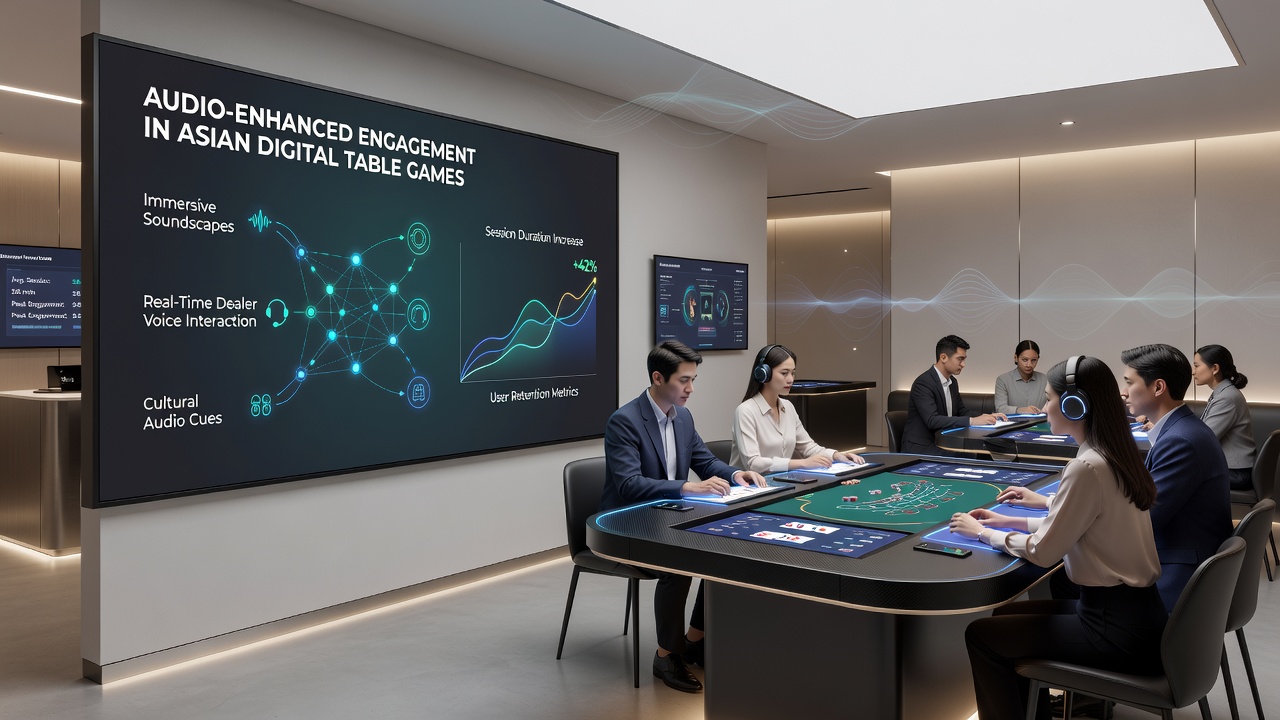
Technical Implementation Across Providers
Integration occurs through middleware that links game engines directly to audio servers, allowing real-time mixing without latency spikes, and this architecture supports both mobile and desktop clients common in the region. Compression algorithms keep file sizes manageable while preserving frequency ranges that convey tension during card reveals. Providers test these systems against regulatory benchmarks before deployment, ensuring sound output remains consistent across devices.
Case examples include one operator in Macau that adjusted roulette wheel spin audio to include faint crowd reactions, and session analytics indicated higher repeat visit rates after the update. Another platform serving Malaysian players introduced optional headphone modes that isolate dealer voices, producing measurable extensions in average play windows according to anonymized usage data shared at industry forums.
Regulatory Oversight and Compliance Standards
Authorities require documentation of audio elements during certification processes, and this includes verification that sounds do not encourage excessive play beyond established limits. Guidelines from bodies such as the Gambling Regulatory Authority of Singapore emphasize transparency in how audio cues interact with game mechanics. Compliance reports filed in late 2026 highlight that licensed titles undergo periodic reviews to confirm audio settings continue meeting these criteria after updates.
Cross-border operators coordinate with multiple jurisdictions, aligning audio configurations to satisfy differing cultural and technical requirements while maintaining core functionality. This coordination has produced standardized testing protocols that evaluate session impact alongside traditional metrics such as return-to-player percentages.
Conclusion
Audio refinements continue to influence engagement patterns in licensed digital table games throughout Asian markets, supported by technical advancements and regulatory frameworks that track outcomes. Data collected through October 2026 demonstrates clear connections between carefully engineered sound features and extended session durations, while providers maintain alignment with local oversight bodies. These developments reflect ongoing adaptation of digital platforms to regional player expectations and compliance demands.