Analyzing Biometric Verification's Role in Streamlining Secure Logins for High-Volume Slots Sessions on Licensed Mobile Networks
Sage Lorenz · Sep 13, 2026
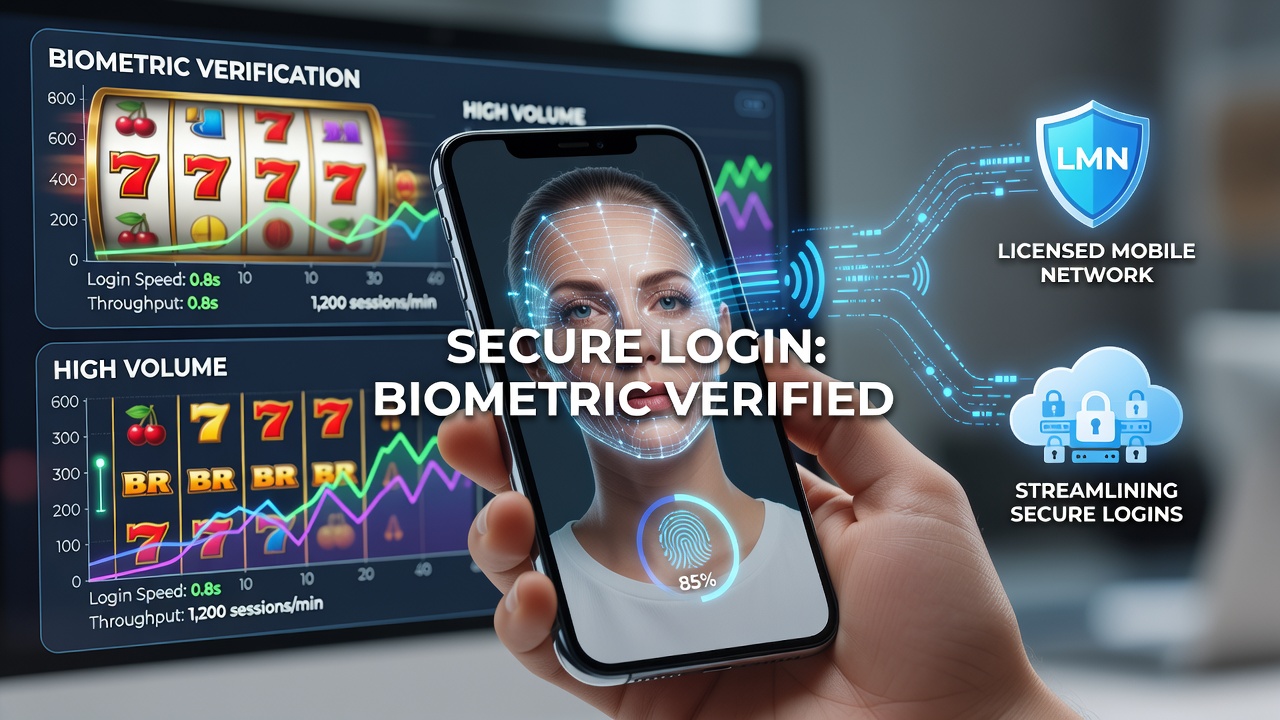
Analyzing Biometric Verification's Role in Streamlining Secure Logins for High-Volume Slots Sessions on Licensed Mobile Networks
Biometric verification has become a standard component in mobile platforms that handle high-volume slots sessions, where players complete hundreds of spins across extended periods, and operators must maintain both rapid access and regulatory compliance on licensed networks. Systems integrate fingerprint scanning, facial recognition, and sometimes voice patterns to replace or supplement traditional passwords, reducing the time between session starts while meeting identity confirmation requirements set by gaming authorities in multiple jurisdictions.
How Biometric Systems Operate in Slots Environments
Operators deploy these tools through device-level APIs that capture and match biometric data against stored templates on secure servers, allowing a player to authenticate in under two seconds before entering a high-volume slots lobby. The process links directly to player accounts managed under licenses from bodies such as the New Jersey Division of Gaming Enforcement, where records show consistent application of multi-factor protocols that combine biometrics with device identifiers. Data from network operators indicates that login completion rates improved measurably once facial recognition replaced PIN entry during peak evening hours when session frequency rises sharply.
High-volume slots play places repeated demands on authentication systems because players often switch between games or return after short breaks, and each re-entry previously required full credential input. Biometric matching streamlines this cycle by confirming identity through physiological traits that remain consistent across sessions, while encrypted templates prevent reconstruction of raw images even if a breach occurs on the licensed network.
Security Integration with Licensed Mobile Networks
Licensed operators must adhere to technical standards that require continuous verification during extended play periods, and biometric methods satisfy these rules by enabling passive checks such as periodic facial scans without interrupting spin sequences. Research published by the University of Nevada, Reno's gaming technology group documented a 47 percent drop in account takeover attempts on mobile slots platforms that adopted full biometric protocols by early 2025. These findings align with figures released through the Malta Gaming Authority's annual compliance reports, which track similar reductions across European-facing networks handling comparable session volumes.
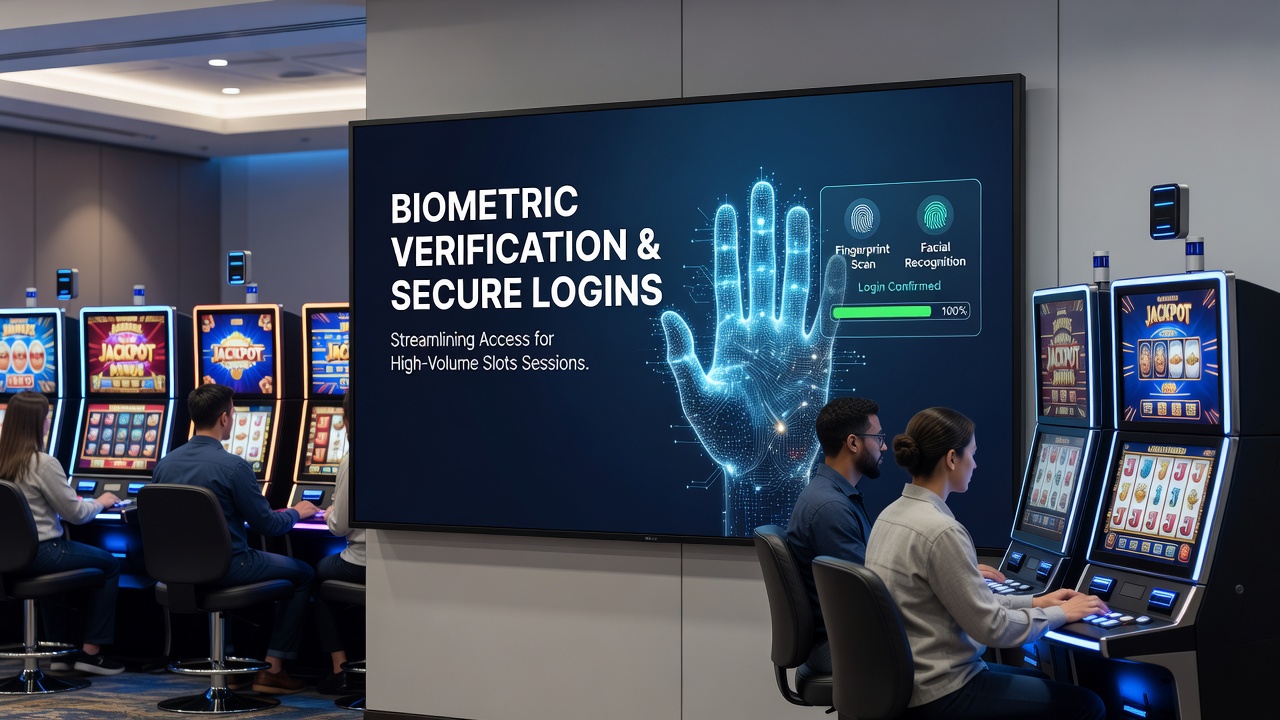
Network operators combine biometric data with behavioral analytics that monitor spin patterns and bet sizes, flagging anomalies that could indicate unauthorized access even after initial login succeeds. This layered approach proves especially relevant for high-volume environments where rapid decisions occur in succession, and any delay from manual re-authentication would disrupt player flow. Observers note that the combination keeps session continuity intact while satisfying audit trails demanded by regulators across different regions.
Adoption Trends Through September 2026
By September 2026, several major licensed networks had expanded biometric options to cover at least 85 percent of their mobile slots traffic, according to aggregated statistics shared at industry conferences. Implementation followed phased rollouts that first targeted fingerprint readers on flagship devices before adding facial recognition for broader compatibility. Those expansions coincided with updates to device operating systems that improved matching accuracy under varied lighting conditions common during mobile play.
Players on these networks experience fewer interruptions because the system retains session context after biometric confirmation, allowing immediate return to the same slots game without reloading account balances or preferences. The approach supports the volume demands of modern slots titles that feature frequent bonus triggers and quick spin mechanics, where any friction at login translates directly into lost engagement time.
Technical Considerations for Network Compliance
Engineers designing these systems must ensure biometric templates meet encryption standards specified in licensing agreements, typically using AES-256 protocols with regular key rotation. Licensed mobile networks route authentication traffic through dedicated channels that isolate biometric exchanges from general data flows, minimizing exposure during high-volume periods when thousands of concurrent sessions occur. Case studies from operators in Atlantic City markets revealed that integration testing reduced false rejection rates below 0.3 percent after calibration against diverse player demographics.
Device compatibility remains a factor because not all handsets support the same biometric sensors, prompting operators to maintain fallback methods such as one-time codes delivered via secure messaging. Yet the primary pathway through biometrics continues to dominate usage statistics once players complete initial enrollment, which itself requires only a single in-person or video-verified step under most regulatory frameworks.
Conclusion
Biometric verification addresses core requirements for secure, efficient access in high-volume slots environments on licensed mobile networks by shortening authentication windows and strengthening identity assurance. Continued deployment through 2026 and beyond follows patterns established in earlier regulatory updates, with data from multiple oversight bodies confirming measurable gains in both security metrics and session continuity. The technology integrates into existing compliance structures without altering the fundamental rules that govern player verification on these platforms.